When an older parent is still living on their own, it’s easy to assume they don’t need much help.
But behind the scenes, small acts of communication, coordination, and consistency are often what make that independence possible.
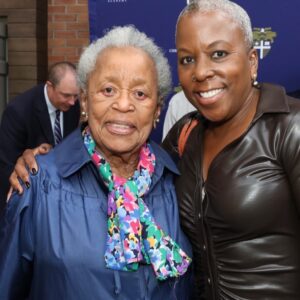
Joan shares what it’s like to support her 91-year-old mother—who lives independently, stays social, and deeply values her autonomy. Her story reveals a version of caregiving many families don’t talk about: the invisible work of keeping everything together.
Independence Still Requires Support
Joan is one of four siblings and is seen by her entire family as the central care coordinator for their 91 year old mother. It’s a role that Joan just naturally stepped into when her father passed away 14 years ago.
“When my dad died, I went into the caregiving mode. I like to make sure everyone is ok. Taking care of my mother is the best way to honor my father and thank my mother. I believe it’s what my father would want me to do,” says Joan.
Joan’s mother lives independently today in a senior apartment. She chose to sell the family home just a couple years after her husband’s passing.
She is generally healthy, cooks for herself, attends church regularly, goes to the symphony, volunteers, and stays active with friends.
As her mother entered her late 80s, Joan became more attentive.
“I need to know where she is and what she’s doing,” says Joan. “She’s very independent, but I’m constantly in the background making sure everything is okay,”
Joan’s behind-the-scenes roles include appointment coordinator and transportation planner. Her mother stopped driving a few years ago, and Joan knew maintaining her social life would be essential. Without reliable transportation, she worried her mother could become isolated and depressed. Joan wanted to make sure her mother could continue doing the things that gave her purpose and joy.
Even as the primary caregiver, this doesn’t mean Joan is her mother’s dedicated driver. Her mother has a vast network of friends and uses a service through her local Department of Aging to take her to appointments.
Outside of transportation, Joan makes a point to check-in with her mother regularly. Some days, that may just mean a phone call. At other times, it’s visiting her mother’s apartment to be sure she’s got a safe environment, especially as she now depends on a walker to help with stability. Some days, it’s stepping in to solve problems quickly.
These small interactions or short drives show that aging in place often depends on a quiet layer of ongoing support that keeps independence possible.
Small Moments Matter: Developing a Caring Mindset
Most caregiving for older, independent adults is not full-time, physically intensive care. Often, it looks like consistency.
Joan makes time to see her mom regularly—even if it’s just for a few minutes. Because caregiving isn’t just about managing needs. It’s about maintaining a relationship. It’s the conversation on the drive to the doctor’s appointment. Or, a quick visit after a long day at work.
“Even if it’s just a short visit, it matters. Those little moments add up,” Joans reflects.
In addition, Joan emphasizes that seeing an older adult matters more than calling or coordinating care remotely. According to Joan, “You can call all you want, but you don’t really know how they’re doing unless you see them.”
As Joan has observed, many older adults will not complain. You can call and ask them how they’re doing, but being physically present makes a difference. In addition, tech can’t solve all of it. Joan got a life alert for her mother, but if she asks, “Mom, do you have it on?” Her mother will reply, “Oh, I just took it off.”
Being physically present allows you to ask or observe:
- What does she look like? Is her coloring different?
- How’s her mood?
- Is she moving differently? Any stiffness?
- How tired is she?
“You have to have eyes on them,” according to Joan.
These observations help families anticipate needs before they become emergencies—and the extra time together strengthens connection. These moments matter more than we often realize.
The Hardest Part: Asking for Help & Coordinating Care
While Joan naturally stepped into the family caregiving coordination role, she also felt frustrated. Joan recalls lamenting to her husband, “I’m the only one doing this!” In her frustration, she couldn’t understand why her brothers weren’t stepping in more. Over time, she realized something important:
“People don’t step in because they think everything is fine. They think everything is fine if they don’t hear otherwise. You have to actually ask.”
Instead of waiting, Joan began asking her brothers directly for help:
- “Can you take Mom to this appointment?”
- “I’m away next week—can you check in more often?”
She also encouraged her mother to ask her brothers for things more often. Her mom is able to advocate for what she needs too.
That shift made a difference for Joan. Joan isn’t just helping, she’s organizing. She knows which sibling can drive, who can check in, and when additional support is needed. Her mom is also open to suggestions and willing to do as much as she can. Instead of going it alone, Joan is communicating clearly with her siblings and a network of friends. She also learned that the best requests are specific, direct, and distributed.
Even in a lighter caregiving situation, the responsibility adds up. Joan is mindful and thankful that she still has her mother. She knows how important it is to fulfill the plans they make, even a simple outing to a store, and does her best not to cancel. She’s aware of how meaningful these moments are to her mother – as her mom is usually dressed and out the door on the days of their outings.
Given this responsibility, Joan is clear: caregivers need respite. As a caregiver, you need to speak up. Joan reminds us you can ask a sibling to step in, lean on a spouse, or leverage local services. According to Joan, taking a break is not optional—it’s necessary. Sustainable caregiving requires a healthy caregiver.
Shifting Roles
When Joan stepped into the caregiving role, it turned the tables a bit on their mother-daughter relationship, but not completely.
Joan says, “It’s a credit to her. She’ll always be my mom – even if I have to tell her something. I don’t treat her like a child. She still treats me like I’m 10 years old – always asking me questions: Do you have everything? Can I make you some soup? It’s a blessing. I value her insight as a mom.
Joan and her mother even started to joke, “Mom, call me when you get home,” because she’s the one out at choir and book club and I’m the one at home.”
According to Joan, “We still have that mother-daughter relationship, but now she relies on me for so much.”
Preparing for What Comes Next
Joan and her family know her mother’s needs will eventually change. They have already started having conversations about what future care could look like:
- Bringing in in-home aides
- Moving Joan’s mother into Joan’s home
- Considering a care facility if her needs increase significantly
Their preference is to stay with family for as long as possible, supported by trusted home care help if needed. Joan’s mother says she will let her know when she’s ready for the next step. She says they don’t talk about end of life too much, but they’re ready. These conversations aren’t always easy—but they’re essential.
In the meantime, connection gives Joan’s mother purpose. Being around people gives her the will to keep going. She still wants to serve others, show up for family, and care for the people she loves—including Joan and her brothers. It is clear that family is still her number one priority.
Checklist: How to help your parent age-in-place
If your parents want to age in place, Joan’s experience offers a roadmap.
- Start early: Support often begins before it feels necessary.
- Make decisions—and commit: Build a support system and stay involved.
- Communicate clearly: Don’t assume others know what’s needed. Ask directly.
- Share responsibility: Caregiving works best as a team effort.
- Supplement support: Use community services and local resources when needed.
- Make time to be present: Connection matters as much as coordination.
How Caregiving Shapes My Aging Journey
“I hope I have the longevity she has,” Joan says. “I do things now—exercise, diet—to make sure I stay strong too.”
She also sees how much community and purpose have shaped her mother’s independence and longevity. “I hope I can be as loved and as graceful as she is,” Joan remarks.
Watching her mother age has changed how Joan thinks about her own future—not just physically, but emotionally. She sees how much strength comes from staying connected, staying useful, and staying close to the people you love.
A new generation of caregiving support
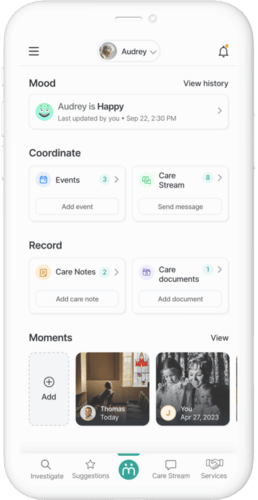
Today, tools like the Maia Care app are helping families and professional caregivers track changes, coordinate care, and share updates in one place.
When caregiving is connected and visible, families and older adults can make better decisions—and older adults can stay safely independent at home longer.